


In the ever-evolving landscape of fashion, individuals are faced with the pivotal choice between “Stitched” and “Unstitched” clothes. What is the difference between stitched and unstitched clothes? This fundamental query serves as the compass guiding us through the intricate realm of garment selection. Stitched clothes, ready-to-wear and tailored for immediate use, offer convenience at the expense of customization. On the contrary, unstitched clothes, comprised of raw fabric pieces, beckon the artist within, allowing for personalized fits and creative expressions. This blog delves into the nuances of these choices, exploring the advantages and disadvantages of each. Join us as we unravel the intricacies, providing insights that empower you to make informed decisions in shaping your distinctive style narrative.
Table of contents
Stitched Clothes
Stitched clothes, epitomizing ready-to-wear convenience, are tailored garments crafted for immediate use. Boasting advantages like time-saving and immediate usability, they cater to those seeking instant style gratification. However, their limitations lie in reduced customization and potential sizing constraints, challenging the quest for a truly personalized fit.
Ready-to-wear Convenience
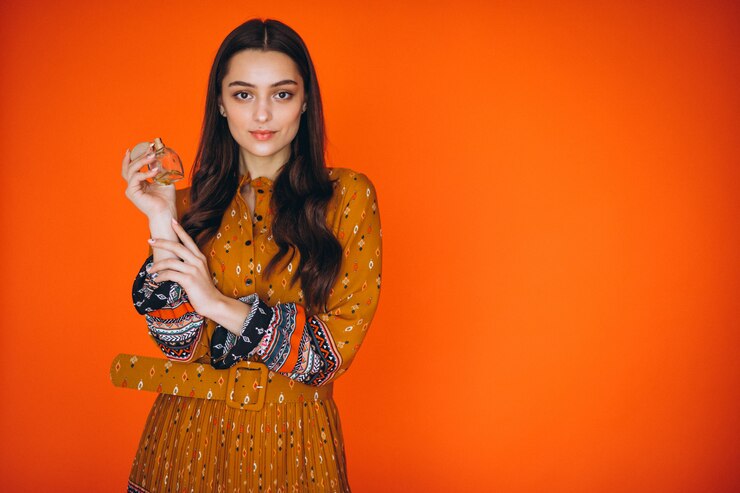
Ready-to-wear convenience epitomizes the seamlessness of integrating fashion into everyday life. This concept refers to garments that are pre-tailored and ready for immediate use, eliminating the need for additional adjustments. This aspect of convenience is particularly valued in our fast-paced world, offering individuals the luxury of effortlessly selecting and donning stylish attire without the time-consuming process of stitching or tailoring. Ready-to-wear garments are designed to cater to various occasions, providing a quick and accessible solution for individuals who prioritize efficiency in their daily lives. The widespread availability of ready-to-wear collections in the fashion industry highlights the growing demand for instant, hassle-free fashion choices.
Advantages
Stitched clothes bring a myriad of advantages to the world of fashion. Their foremost benefit lies in immediate usability, offering consumers the convenience of ready-to-wear garments without the need for additional adjustments. Time-saving is another significant advantage, allowing individuals to swiftly incorporate stylish choices into their daily routines. Stitched clothes cater to those with busy lifestyles, providing efficient solutions for varied occasions. While offering a seamless and convenient experience, these garments also contribute to a polished and sophisticated appearance. Despite their advantages, it’s crucial to acknowledge the potential drawbacks, including limited customization options and sizing constraints, ensuring that consumers weigh both sides when making informed choices in curating their wardrobe.
Disadvantages
Despite their convenience, stitched clothes come with inherent disadvantages. One significant drawback is the limited customization they offer. Unlike their unstitched counterparts, pre-tailored garments restrict the scope for personal expression and unique design choices. Sizing constraints pose another challenge, as finding the perfect fit can be elusive, especially for individuals with unique body shapes or sizes. While immediate usability is a strength, it can be a limitation when seeking garments tailored to specific preferences. Additionally, the standardized nature of stitched clothes may not cater to diverse fashion tastes, limiting individuality. It’s essential for consumers to be aware of these disadvantages, emphasizing the importance of striking a balance between convenience and the desire for a wardrobe that truly reflects personal style and identity.
Unstitched Clothes
Unstitched clothes, embodying raw fabric pieces awaiting transformation, provide a canvas for creative self-expression. Unlike pre-tailored garments, they empower individuals with customization opportunities, allowing for a personalized fit tailored to unique body shapes. The absence of pre-sewn structures grants a sense of liberation, fostering creative design possibilities. However, the journey with unstitched clothes requires time and basic stitching skills, demanding a commitment to the process. While they may lack the immediate convenience of ready-to-wear garments, the allure of crafting a one-of-a-kind piece adds a layer of satisfaction and uniqueness to the wardrobe, appealing to those who relish DIY fashion projects.

Raw Material Nature
The essence of unstitched clothes lies in their raw material nature. Comprising fabric pieces that have not undergone pre-sewn transformations, these garments represent a blank canvas awaiting individual interpretation. This raw materiality offers a unique opportunity for personalization and creativity. Individuals can mold these fabric pieces into bespoke creations, reflecting their style preferences and allowing for a truly customized fit. Embracing the raw material nature of unstitched clothes adds a layer of authenticity to one’s wardrobe, fostering a connection between the individual and the artistry of crafting unique and personalized garments.
Advantages
Unstitched clothes herald a realm of creative freedom and personalized fashion. Their foremost advantage lies in the expansive customization opportunities they offer. Individuals can shape these raw fabric pieces into unique, tailored designs, ensuring a personalized fit that complements individual body shapes and sizes. This DIY approach fosters a sense of empowerment and self-expression, allowing for the creation of one-of-a-kind garments. Additionally, the absence of pre-sewn structures provides unparalleled flexibility for creative design possibilities, allowing fashion enthusiasts to explore and experiment. While the journey with unstitched clothes may demand time and basic stitching skills, the rewards include a wardrobe enriched with authenticity, individuality, and a reflection of personal style.
Disadvantages

Unstitched clothes, while offering creative freedom, come with inherent disadvantages. Crafting bespoke garments from raw fabric demands time, making it a less convenient option for those seeking immediate usability. Basic stitching skills or the aid of a tailor are prerequisites, adding a layer of effort and potential additional costs. The absence of pre-sewn structures can also be challenging, requiring meticulous attention to detail during the stitching process. Despite the allure of customization, these garments may lack the polished finish of pre-tailored options. Balancing the advantages and drawbacks ensures individuals make informed decisions based on their priorities and lifestyle.
What Is The Difference Between Stitched And Unstitched Clothes?
Cost Factors
Cost factors play a pivotal role in the choice between stitched and unstitched clothes. Stitched garments, with their ready-to-wear convenience, often incur higher expenses due to labor and production costs. On the other hand, unstitched clothes may seem more affordable initially, but additional costs arise for stitching services. Balancing the upfront cost and potential post-purchase expenses is crucial in decision-making. Understanding these cost factors ensures individuals make choices aligned with their budget while considering the long-term investment in a wardrobe that suits their preferences and lifestyle.
Flexibility
The flexibility of garment choices distinguishes stitched and unstitched clothes. Stitched garments offer limited design flexibility, as alterations are challenging once the garment is complete. In contrast, unstitched clothes provide a canvas of creative possibilities, allowing for greater personalization and design alterations. The DIY nature of unstitched fabrics empowers individuals to experiment with diverse styles, ensuring a wardrobe that reflects their unique tastes. The freedom to mold and shape raw materials into personalized creations underscores the unparalleled flexibility of unstitched clothes. This key distinction allows fashion enthusiasts to curate a wardrobe that transcends trends and truly embodies individuality and self-expression.
Time Investment
Time investment serves as a crucial factor in choosing between stitched and unstitched clothes. Stitched garments offer immediate usability, requiring minimal time for selection and donning. In contrast, unstitched clothes demand a more significant time commitment. The process involves careful selection of fabric, cutting, and stitching or engaging a tailor. While this approach may be time-consuming, it grants individuals the satisfaction of crafting unique, personalized garments. Understanding the varying time requirements is essential, ensuring that the choice aligns with personal schedules and preferences. Whether seeking the convenience of ready-to-wear or relishing the creative process, acknowledging the time investment facilitates an informed decision in curating a wardrobe that suits one’s lifestyle.
Popular Use Cases
Stitched Clothes
Stitched clothes find their popularity in various everyday scenarios, serving as the go-to choice for individuals seeking both style and convenience. For everyday wear, these garments offer a quick and effortless solution, providing ready-to-wear options that align with the demands of daily life. Additionally, their tailored elegance makes them perfect for special occasions, imparting a touch of sophistication to celebrations, parties, or any gathering where a refined appearance is desired. Stitched clothes truly shine in formal events, presenting a structured and polished look that ensures a composed and elegant presentation. In essence, the popularity of stitched clothes lies in their versatility, offering solutions that effortlessly blend style with practicality across diverse settings.
Unstitched Clothes
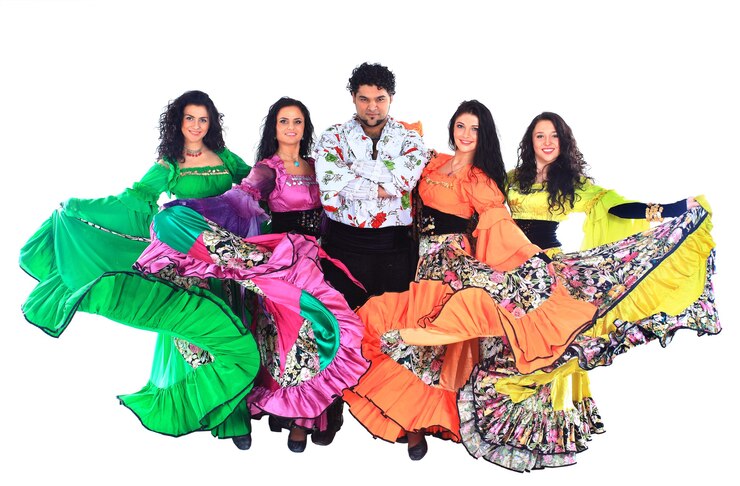
Unstitched clothes, representing a canvas of creative possibilities, cater to a spectrum of fashion needs. Embodying raw fabric pieces awaiting transformation, these garments find resonance in traditional and ethnic wear, allowing for a deep connection to cultural roots and individual expression. The absence of pre-sewn structures grants unparalleled flexibility for DIY fashion projects, inviting creative minds to shape and craft bespoke garments. While the process demands time and basic stitching skills, the rewards include a wardrobe enriched with authenticity and a reflection of personal style. Unstitched clothes empower individuals to embrace their creativity, providing a unique avenue for those who seek to add a personalized touch to their fashion choices and celebrate individuality.
Conclusion
Embark on a fashion exploration and unravel the question, “What is the difference between stitched and unstitched clothes?” Discover the nuances shaping your wardrobe choices, from ready-to-wear convenience to the creative canvas of raw materials. Decode the essence of each, understanding the advantages and considerations that influence your fashion decisions. Whether you value the instant gratification of stitched garments or the limitless possibilities of unstitched fabrics, this exploration empowers you to curate a wardrobe aligned with your unique style and preferences. Dive into the fashion realm with insights that elevate your choices, ensuring each garment tells a story in the ever-evolving narrative of your personal style.
Read More Best Unstitched Women Brand in Pakistan? What Color Goes With Every Outfit?
FAQ’S
The key distinction lies in the readiness for wear. Stitched clothes are pre-tailored and ready to be worn, while unstitched clothes consist of fabric pieces that require stitching to form a garment.
Yes, unstitched clothes offer greater customization. Individuals can tailor them to their specific preferences, ensuring a personalized fit and the freedom to create unique designs, unlike the more standardized nature of stitched garments.
Basic stitching skills are beneficial, but individuals can also seek assistance from a tailor for intricate designs. Unstitched clothes cater to various skill levels, making them accessible to those with different levels of sewing expertise.


