


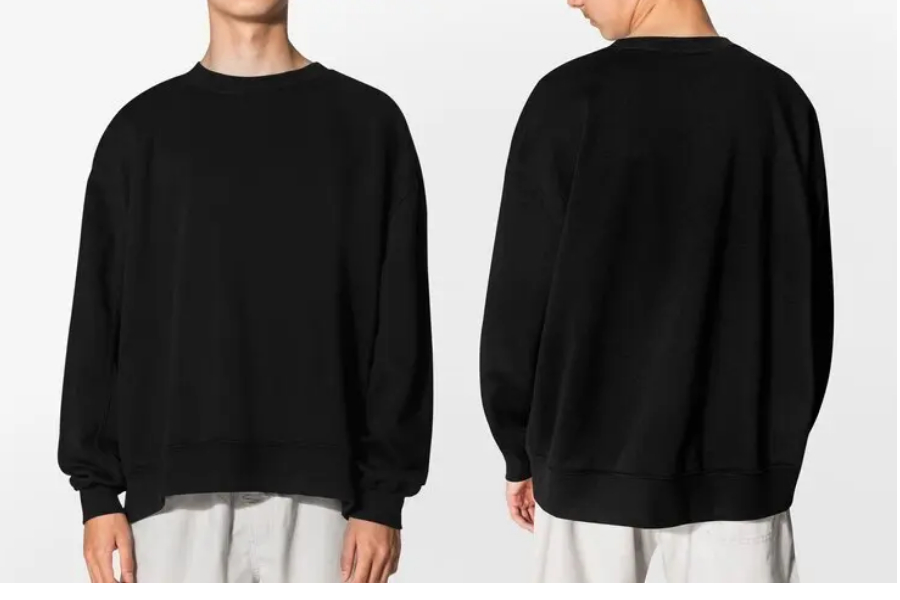
Let’s embark on the story of the sweatshirt – a comfy piece of clothing that started with athletes wanting warmth during workouts. We’ll learn how it got its name, became part of everyday language, and found its way into our closets. From simple designs, it evolved into a symbol of sportsmanship and later blended into casual wear. We’ll explore the fabrics that make it cozy, the cool features it boasts, and how it became a global fashion favorite. So, get ready to uncover the journey of the sweatshirt, from sports fields to streets, and discover why it’s more than just a piece of clothing – it’s a cultural icon.
Table of contents
Historical Origins
Emergence of the Sweatshirt
The sweatshirt emerged in the 1920s and 1930s, born out of the practical need for warmth during physical activities. Initially designed for athletes, it featured a simple design with crew necks and ribbed cuffs, crafted from fleece or cotton. Its humble beginnings focused on functionality, providing a lightweight and insulating layer for those engaging in outdoor workouts. The sweatshirt’s journey began as a utilitarian garment, laying the foundation for its evolution into a versatile piece of clothing that would later transcend its athletic roots and find a place in the hearts of people worldwide.
Early Designs and Materials
In its early days, sweatshirts boasted straightforward designs with a focus on functionality. Characterized by crew necks and ribbed cuffs, these garments were crafted from simple yet durable materials like fleece or cotton. The emphasis was on providing warmth during physical activities, making them essential for athletes in the 1920s and 1930s. These early designs laid the groundwork for the sweatshirt’s evolution, showcasing a commitment to practicality and comfort. Little did these humble beginnings predict the widespread adoption and diverse styles that would follow, turning the sweatshirt into a timeless and iconic piece in the world of fashion.

Purpose and Functionality
The sweatshirt’s purpose was rooted in practicality, emerging in the 1920s and 1930s to fulfill the need for a functional garment during physical activities. Initially tailored for athletes, its primary function was to offer a lightweight yet insulating layer, ideal for outdoor workouts. Crafted with crew necks and ribbed cuffs, sweatshirts absorbed sweat and provided essential warmth. This dedication to functionality not only made them a staple for athletes but set the stage for the sweatshirt’s transformation into a versatile and comfortable piece of clothing, catering to diverse lifestyles and becoming a symbol of both sportswear and casual fashion.
Evolution of Terminology
Introduction of the Term “Sweatshirt”
The word “sweatshirt” came about because these comfy shirts were originally made for people who sweated a lot during workouts. It’s a name that stuck because it perfectly describes what the shirt does – it absorbs sweat! Originally created for athletes, the term became popular in everyday language as these shirts found their way into casual wear. So, when you hear “sweatshirt,” think of a cozy, practical piece of clothing that started in sports but is now something everyone loves to wear for comfort and style in their daily lives.
Cultural and Linguistic Influences
Cultural and linguistic influences played a crucial role in shaping the narrative of the sweatshirt. Beyond its athletic origins, the term became ingrained in everyday language, symbolizing comfort and casual style. The cultural shift turned the sweatshirt into more than just sportswear, making it a universally recognized garment. Its association with coziness and simplicity resonated globally, breaking linguistic barriers. The sweatshirt’s journey reflects how cultural influences transformed it from a functional piece for athletes into a fashion statement embraced by diverse communities, transcending borders and languages to become a beloved and iconic wardrobe essential.
Adoption in Everyday Language
The term “sweatshirt” seamlessly entered everyday language, transcending its athletic origins to symbolize comfort and casual fashion. Initially coined to describe a practical garment for athletes, it evolved into a universal descriptor for a cozy and versatile piece of clothing. As the sweatshirt found its way into everyday wardrobes, the term became widely adopted, reflecting its cultural integration. No longer confined to sports jargon, “sweatshirt” now embodies a relaxed and familiar concept in our daily conversations. Its adoption in everyday language mirrors the garment’s transition from functional sportswear to a beloved and effortlessly stylish item for people of all walks of life.
Connection to Physical Activity
Association with Sports and Athleticism
The sweatshirt’s strong association with sports and athleticism roots back to its inception. Originally designed for athletes in the 1920s and 1930s, it became a symbol of team spirit and warmth on the field. Adorned with team logos, it fostered camaraderie among players. As the sweatshirt evolved, it retained its connection to sports, expanding into a broader realm of physical activity. Whether worn on the track or in the gym, the sweatshirt embodies the spirit of athleticism, blending comfort and functionality. Its enduring presence in sports culture cements its status as more than just clothing, but a symbol of active pursuits.

Use in Workout Attire
The sweatshirt seamlessly transitioned from sports fields to workout attire, becoming a staple for fitness enthusiasts. With its origins in providing warmth to athletes, the sweatshirt’s evolution saw it adapt to various exercise routines. From hooded options ideal for jogging to lightweight variants perfect for yoga, the sweatshirt became synonymous with comfort during workouts. Its versatility and ease of movement made it a popular choice, transforming the sweatshirt into an essential component of activewear. Beyond sports, it became a reliable companion for anyone seeking both functionality and style in their exercise routines, further solidifying its place in fitness fashion.
Integration into Casual Wear
The sweatshirt seamlessly integrated into casual wear, transcending its athletic roots to become a timeless wardrobe essential. Evolving from its humble beginnings, the sweatshirt’s simple yet comfortable design made it a perfect fit for everyday use. Its transition from sports arenas to casual settings was marked by a cultural shift, embracing comfort in style. The sweatshirt’s versatility, with variations like hoodies and trendy designs, contributed to its widespread adoption as a casual fashion statement. Whether paired with jeans or loungewear, the sweatshirt effortlessly blends functionality with fashion, making it a go-to choice for individuals seeking comfort and laid-back elegance in their daily attire.
Material and Construction
Fabrics Used in Sweatshirt Production
Sweatshirts come in different materials to make them cozy and comfy. Originally, they were made from soft cotton or warm fleece. Nowadays, you can find them in various fabrics, like synthetic blends that keep you cool and dry. The type of material used affects how the sweatshirt feels and how well it keeps you warm or cool. So, whether you like the classic cotton comfort or the high-tech blends, there’s a sweatshirt material for everyone, ensuring that you not only look good but also feel comfortable in your favorite piece of clothing.
Design Elements Contributing to Comfort and Warmth
Design elements play a crucial role in making sweatshirts comfortable and cozy. Features like hoods, kangaroo pockets, and ribbed cuffs contribute to their overall warmth and functionality. Hoods provide extra warmth and can be pulled over during chilly weather. Kangaroo pockets not only add a stylish touch but also keep hands warm. Ribbed cuffs help trap heat, making the sweatshirt snug. These thoughtful design elements enhance not just the appearance but also the comfort of the sweatshirt. Combined, they create a garment that not only looks good but also wraps the wearer in a comfortable embrace, making it a go-to choice for relaxed and stylish wear.
Innovation in Sweatshirt Technology
Sweatshirts have become smarter! New technologies make them super comfy and practical. Some sweatshirts now use special fabrics that keep you dry, even when you’re sweating during workouts. Others adjust to different temperatures, keeping you just right in any weather. The way they’re made ensures they last longer and still let you move around easily. So, whether you’re exercising or just relaxing, these high-tech sweatshirts make sure you stay comfy and stylish, showing how innovation has made our favorite piece of clothing even better!
Cultural Significance
Iconic Sweatshirt Moments in Popular Culture
Sweatshirts have etched their mark in popular culture through iconic moments that transcend their athletic origins. From memorable movie scenes featuring characters in cozy sweatshirts to musicians making fashion statements, these garments have become cultural symbols. The sweatshirt’s presence in significant moments of pop culture showcases its versatility as more than just clothing – it represents comfort, nostalgia, and a connection to shared experiences. These iconic instances highlight the sweatshirt’s ability to convey emotions and narratives, making it a powerful and enduring cultural artifact that resonates with people from all walks of life.
Symbolism and Representation in Media
In TV shows and movies, sweatshirts aren’t just clothes – they’re symbols of comfort and realness. When characters wear sweatshirts, it makes them seem friendly and down-to-earth. It’s like saying, “Hey, I’m just like you.” In the media, sweatshirts show a shift towards valuing comfort and being yourself. Whether it’s on-screen or in fashion, sweatshirts become more than just something to wear – they represent a chill and inclusive vibe that everyone can relate to in different ways. It’s like a cozy hug in the world of storytelling and style.
Impact on Fashion Trends
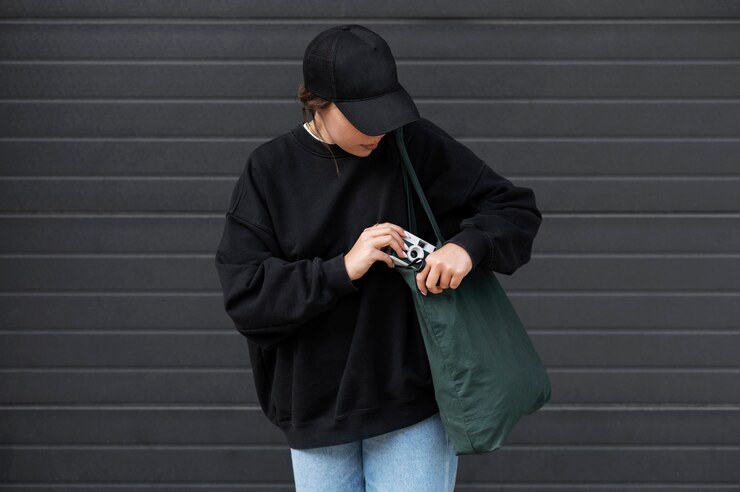
Sweatshirts aren’t just for the gym anymore – they’re a big deal in fashion! Designers use them in fancy collections, and you’ll see them on runways and in everyday street fashion. It’s like they went from workout gear to being super cool to wear anywhere. Famous designers mix casual sweatshirts with fancy stuff, making it okay to be comfy and stylish. People love this relaxed style so much that it’s changing how everyone thinks about fashion. Sweatshirts are not just clothes; they’re making a big impact on what’s considered cool and fashionable in the world of clothing.
Global Adoption
Spread of Sweatshirt Fashion Worldwide
Sweatshirts are not just popular in one place – they’re loved all around the world! People from different countries and cultures wear them. Whether it’s big hoodies on the streets or special designs in traditional outfits, sweatshirts have become a global fashion trend. They’re so comfy and inclusive that everyone, no matter where they’re from, likes wearing them. Sweatshirts are like a cozy and cool language that people from all over understand and love. Their style has traveled far, making them a favorite choice for people everywhere, breaking fashion rules and bringing everyone together in comfort and style.
Cultural Variations in Sweatshirt Usage
People from different places use sweatshirts in cool and unique ways. In some neighborhoods, big hoodies are the trend, making a bold statement. Other places might add special designs to sweatshirts for a stylish look in traditional outfits. Each culture has its own way of making sweatshirts part of everyday clothing. Whether it’s a chill and relaxed style or a more dressed-up vibe, sweatshirts fit into everyone’s personal fashion. They’re like a friendly and comfy piece of clothing that people from all over the world wear in their own cool and special ways, showing that fashion is a language everyone understands.
Unisex Appeal and Inclusivity
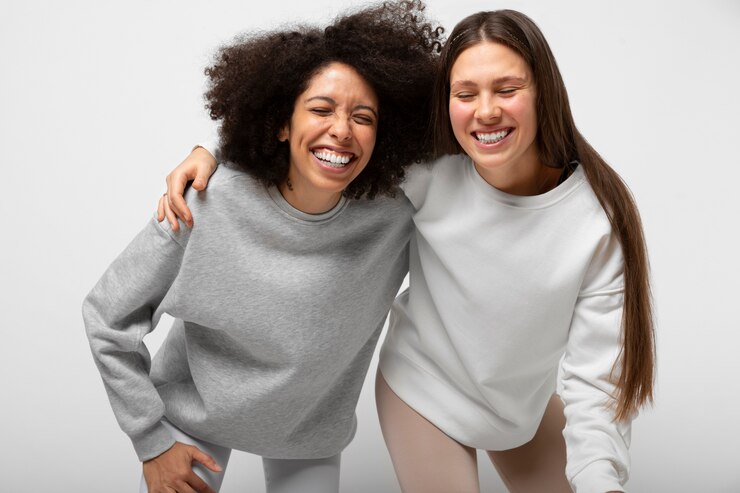
Sweatshirts are for everyone! It doesn’t matter if you’re a guy or a girl, young or old – they’re made for everyone to enjoy. Sweatshirts are like a fashion friend that doesn’t care about rules. They bring people together and make everyone feel comfy and cool. No matter who you are, a sweatshirt is a piece of clothing that welcomes everyone to enjoy its cozy and stylish vibe. It’s like a friendly fashion choice that shows that clothing can be for everyone, breaking the old ideas about who can wear what.
Conclusion
In conclusion, the sweatshirt’s journey from humble beginnings as athletic wear to a global fashion icon is a testament to its enduring appeal. Emerging in the 1920s, it has evolved through cultural shifts, technological innovations, and fashion revolutions. From sports arenas to runways, sweatshirts have transcended their original purpose, becoming symbols of comfort, inclusivity, and effortless style. The spread of sweatshirt fashion worldwide, diverse cultural adaptations, and unisex appeal showcase its universal charm. As a garment that bridges practicality and fashion, the sweatshirt remains a beloved and versatile piece, reflecting a collective desire for comfort and self-expression in the ever-evolving landscape of clothing. Read More What Is The Difference Between Lawn And Linen?
FAQ’S
Sweatshirts got their name because they were originally designed to absorb sweat during physical activities. The term reflects their purpose of providing a lightweight and insulating layer for athletes while working out.
Sweatshirts have evolved from simple designs for athletes in the 1920s to global fashion statements. They now come in various fabrics, incorporate innovative technologies, and have become symbols of comfort and style in both casual and formal settings.
Yes, absolutely! Sweatshirts have a unisex appeal, designed for both men and women, and are inclusive of all ages. Their versatile and comfortable nature makes them a universally embraced fashion choice for people of diverse backgrounds and preferences.


