


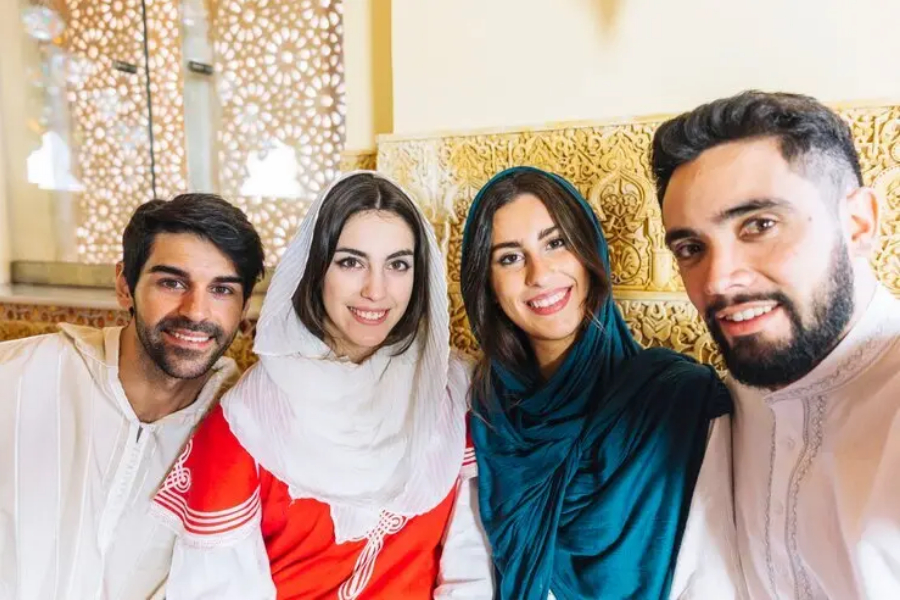
Pakistan stands as a testament to the confluence of diverse cultures, each contributing to the nation’s rich tapestry. From ancient civilizations to the opulence of the Mughal era, the cultural heritage of Pakistan is a mosaic of traditions that find expression in various aspects of daily life. This vibrant heritage is most visibly encapsulated in Pakistan traditional dress, where the threads of history, regional influences, and artistic expression intricately weave together. The iconic ‘Shalwar Kameez,’ adorned with vibrant colors and intricate patterns, serves not just as attire but as a living representation of Pakistan’s dynamic cultural identity.
Table of contents
- Importance of Traditional Dress in Reflecting Cultural Identity
- Historical Perspective
- Distinctive Traditional Dresses in Different Provinces
- Pakistan Traditional Dress for Men’s
- Pakistan Traditional Dress for Women’s
- Significance of Colors and Patterns
- Fusion of Modern and Traditional
- Challenges and Preservation
- Conclusion
- FAQ’S
Importance of Traditional Dress in Reflecting Cultural Identity
Pakistan traditional dress, especially the well-known ‘Shalwar Kameez,’ is more than just clothing. It’s like a colorful language that tells the story of Pakistan’s diverse heritage. Beyond being something to wear, this traditional dress reflects the pride and identity of the nation. It’s a way for people to connect with their roots and feel a sense of belonging, even in a world where traditions meet modern changes. The ‘Shalwar Kameez’ is not just a fashion choice; it’s a living symbol of Pakistan’s rich culture, embracing both its history and the vibrant spirit of its people.
Historical Perspective
Evolution of Traditional Dress in Pakistan
The evolution of traditional dress in Pakistan mirrors a captivating journey through time, weaving threads of history and cultural influences. From the draped garments of ancient civilizations to the opulent styles influenced by the Mughal era, each era has left an indelible mark on the attire. The fusion of diverse cultural elements has given rise to iconic ensembles like the ‘Shalwar Kameez,’ reflecting a dynamic blend of tradition and innovation. This evolution is a living testament to the adaptability and resilience of Pakistan’s cultural heritage, as reflected in the changing styles and nuances of its traditional clothing over the centuries.
Influence of Various Civilizations and Dynasties on Clothing Styles
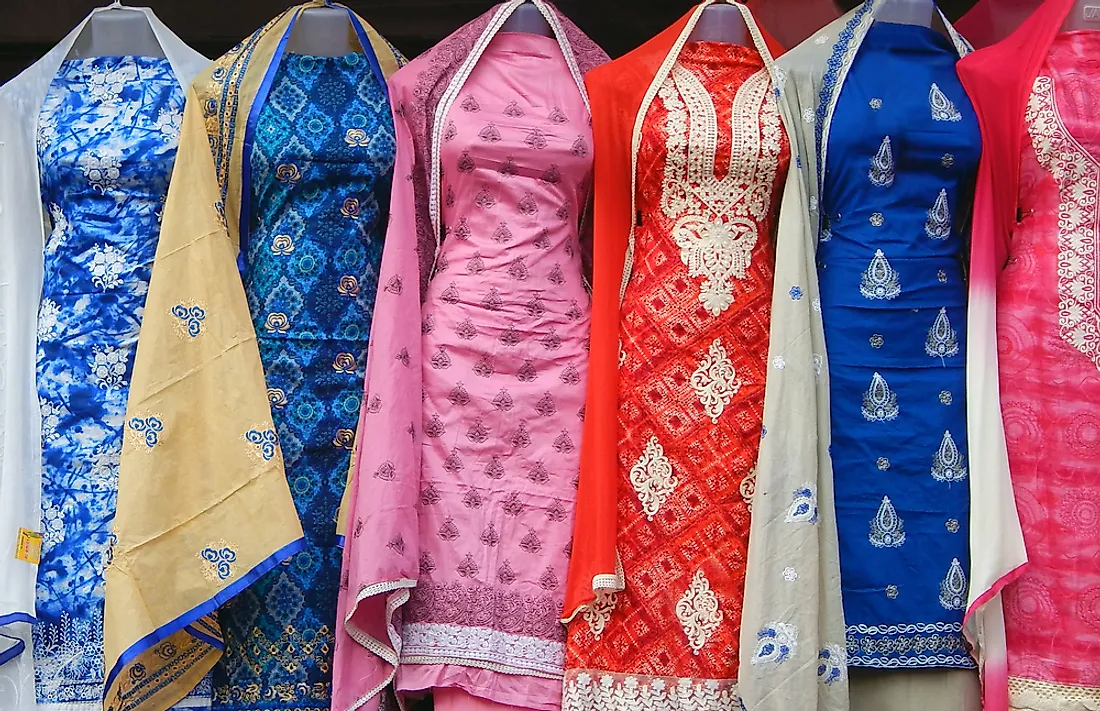
Pakistan’s clothing styles bear the imprints of a rich tapestry woven by various civilizations and dynasties. The Mughals, with their opulent tastes, infused intricate embroidery and regal aesthetics into the fabric of traditional attire. Persian influences brought an artistic sophistication, while Central Asian styles contributed to unique patterns and designs. Each civilization, from the ancient to the medieval, left an enduring legacy, shaping the evolution of clothing in the region. The clothing styles in Pakistan, with their intricate details and diverse elements, stand as a testament to the amalgamation of cultural influences that have defined the nation’s sartorial heritage.
Distinctive Traditional Dresses in Different Provinces
Punjab
In the heartland of Pakistan, Punjab is renowned for its vibrant traditional dress, notably the iconic ‘Shalwar Kameez,’ a cornerstone of Pakistan traditional dress. This attire, adorned with lively colors and intricate embroidery, encapsulates the essence of the region. The ‘Shalwar Kameez,’ representing Pakistan traditional dress, symbolizes both comfort and elegance, reflecting Punjab’s agricultural roots. Whether worn casually or during special occasions, it stands as a living expression of Punjab’s identity, seamlessly blending tradition with contemporary aesthetics in the broader narrative of Pakistan’s rich cultural heritage.
Sindh
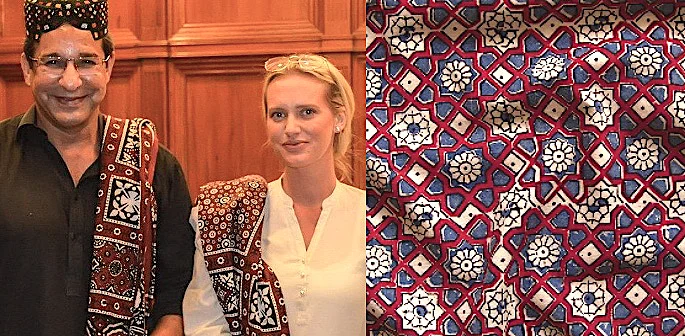
In Sindh, people adore the ‘Shalwar Kameez,’ which is Pakistan traditional dress. Alongside it, there are special Sindhi dresses that add even more color to everyday life. The ‘Ajrak’ is like a beautiful shawl with unique patterns, and sometimes it’s tied as a turban. Women wear the elegant ‘Sindhi Topi,’ a cap with pretty embroidery, and the ‘Kancha,’ a skirt adorned with vibrant mirrors. These dresses aren’t just for special occasions; they’re worn with joy every day, expressing the rich traditions of Sindh. Each dress, from the ‘Ajrak’ to the ‘Sindhi Topi,’ tells a unique story in the lively cultural tale of Sindh.
Balochistan

In Balochistan, traditional dresses are like colorful stories woven into the fabric of daily life. For men, it’s often loose pants called ‘Shalwar’ paired with a long shirt known as ‘Feyli’ or ‘Cholo.’ Women wear vibrant ‘Chador’ or ‘Pashk’ adorned with intricate hand-embroidered designs. These traditional Balochi dresses, apart from the familiar ‘Shalwar Kameez,’ are like a cultural signature, reflecting the nomadic way of life and the strong spirit of the Baloch people. Each thread and color tell a story of resilience, making these dresses a cherished part of Balochistan’s identity and contributing to the rich diversity of Pakistan traditional dress.
Khyber Pakhtunkhwa (KP)
In Khyber Pakhtunkhwa (KP), the traditional dress is a vibrant reflection of the region’s cultural identity. Men often wear the ‘Shalwar Kameez,’ showcasing intricate embroidery and distinctive patterns. The ‘Peshawari Chappal,’ a unique sandal, complements this attire, adding a touch of tradition. Women embrace colorful and embroidered dresses, reflecting the artistic heritage of the area. Khyber Pakhtunkhwa’s traditional dress, worn with pride during everyday life and festivities, embodies the essence of the region. Each garment, from the ‘Shalwar Kameez’ to the ‘Peshawari Chappal,’ narrates a tale of the rich cultural tapestry that defines this province in Pakistan.
Pakistan Traditional Dress for Men’s
Shalwar Kameez
The ‘Shalwar Kameez’ is the quintessential traditional dress of South Asia, notably Pakistan. Comprising loose-fitting pants (‘Shalwar’) paired with a long tunic (‘Kameez’), it transcends mere clothing, embodying cultural pride and versatility. Adorned with vibrant colors, intricate embroidery, and diverse patterns, the ‘Shalwar Kameez’ reflects the rich tapestry of Pakistani heritage. Its popularity stems from being comfortable for daily wear yet elegant for special occasions. Whether donned casually or with elaborate embellishments, this attire stands as a symbol of cultural identity, weaving together tradition and modernity in a seamless fusion that resonates across the diverse landscapes of Pakistan.
Peshawari Chappal

The ‘Peshawari Chappal’ is a distinctive traditional sandal hailing from the Khyber Pakhtunkhwa province in Pakistan. Known for its unique design, the Chappal is characterized by leather straps intricately woven into a pattern and a flat sole, providing comfort and durability. Originating from the city of Peshawar, this footwear has transcended regional boundaries, becoming a symbol of Pakistani culture. Renowned for its craftsmanship, the ‘Peshawari Chappal’ is often paired with the ‘Shalwar Kameez,’ contributing to a stylish yet traditional ensemble. Beyond its functional role, it stands as a testament to the skilled artistry embedded in Pakistan’s diverse and rich heritage.
Turban or Cap Styles
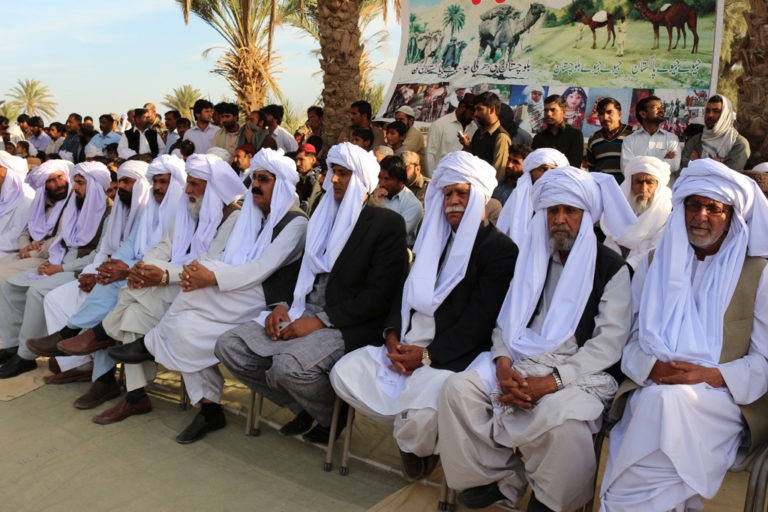
Turban or cap styles in Pakistan add a distinctive touch to traditional men’s attire. The variety reflects a tapestry of cultural diversity, with each region boasting its unique headgear. Whether it’s the ornate ‘Pagri’ in Punjab, the ‘Pakol’ in Khyber Pakhtunkhwa, or the ‘Sindhi Topi’ in Sindh, these styles not only signify regional identities but also carry historical and social significance. Beyond being a fashion accessory, turbans or caps hold a deep cultural value, often indicating a person’s background, status, or even the occasion. In their diverse designs, these headpieces become a visual language, narrating stories of tradition and identity across Pakistan.
Pakistan Traditional Dress for Women’s
Shalwar Kameez
The traditional ‘Shalwar Kameez’ for women is a timeless ensemble that encapsulates the cultural essence of South Asia, particularly in Pakistan. Comprising loose-fitting pants (‘Shalwar’) paired with a long tunic (‘Kameez’), it’s more than just attire; it’s a symbol of elegance and cultural pride. Women adorn this ensemble in a myriad of colors, intricate embroideries, and diverse patterns, each telling a story of regional influences and personal style. Beyond its aesthetic appeal, the ‘Shalwar Kameez’ is a versatile garment, worn with grace in daily life and embellished for celebratory events, making it a cornerstone in the vibrant tapestry of Pakistani women’s traditional attire.
Dupatta

The ‘Dupatta’ is an integral element of the traditional South Asian ensemble, particularly the ‘Shalwar Kameez’ in Pakistan. This gracefully draped fabric, typically worn over the shoulder, adds a touch of elegance to the outfit. Beyond its aesthetic role, the ‘Dupatta’ holds cultural significance, symbolizing modesty and grace. Adorned with intricate embroidery, embellishments, or vibrant prints, it complements the ‘Shalwar Kameez,’ becoming a canvas for artistic expression. Whether casually draped or intricately styled, the ‘Dupatta’ is more than an accessory; it’s a cultural emblem, weaving tradition and style together, enriching the visual narrative of Pakistani women’s traditional attire.
Traditional Jewelry
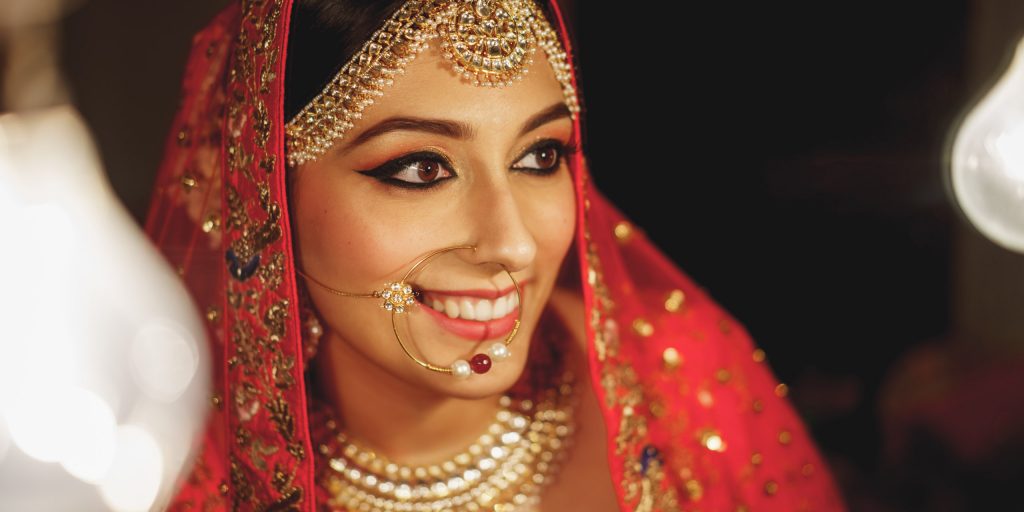
Traditional jewelry in Pakistan is a captivating testament to the country’s rich cultural heritage. From intricate gold and silver pieces to vibrant gemstones, each ornament narrates a story of craftsmanship and tradition. Women embellish themselves with ‘Jhoomar‘ headpieces, ‘Bangles,’ and ‘Maang Tikka,’ enhancing the elegance of the traditional ‘Shalwar Kameez’ or bridal ensembles. Men often wear ‘Karahi’ rings and ‘Kurta’ buttons, adding subtle yet significant accents to their attire. These pieces of traditional jewelry not only serve as adornments but also carry deep cultural meanings, connecting the wearer to the artistic legacy and symbolic richness embedded in Pakistan’s diverse cultural tapestry.
Significance of Colors and Patterns
Symbolism Behind Colors in Pakistan traditional dress
Colors in Pakistan traditional dress tell stories without words. White is for purity, often worn for special religious moments. Red represents happiness and celebrations, especially in weddings. Green is like nature, showing growth and peace. Blue is calm and connected to spirituality. Yellow is all about joy and festivities. Black and maroon show sophistication and strength. So, when you see these colors in the ‘Shalwar Kameez’ or other traditional clothes, they’re not just pretty; they’re like a silent language, speaking of emotions, occasions, and the rich cultural values that make Pakistan’s traditional attire a vibrant and meaningful part of daily life.
Importance of Patterns and Designs
Patterns and designs in traditional Pakistani dress are more than just adornments; they are storytellers woven into fabric. Each intricate motif holds cultural narratives, reflecting regional identities and artistic heritage. The symphony of geometric shapes, floral patterns, and intricate embroidery is a visual language, expressing emotions and historical echoes. Beyond aesthetics, patterns carry symbolism, from the paisley-inspired ‘Buta’ to the delicate ‘Chikan’ embroidery. They transcend mere decoration, forming a bridge between generations and communities. In the ‘Shalwar Kameez’ and other traditional attires, these patterns become a vibrant tapestry, uniting diverse elements into a cohesive and visually compelling expression of Pakistan’s rich cultural diversity.
Fusion of Modern and Traditional
Contemporary Adaptations of Traditional Dress
Traditional Pakistani dresses like the ‘Shalwar Kameez’ are getting a modern makeover. They’re not just staying the same; designers are giving them cool updates. Imagine new cuts, fabrics, and even fancy accessories like stylish turbans and bold jewelry. It’s like keeping the soul of tradition but adding a dash of today’s fashion. People can wear these modern versions to parties, work, or even on global runways. So, our classic ‘Shalwar Kameez’ isn’t stuck in the past; it’s rocking a fresh, modern vibe, making it perfect for both our cultural roots and the trendy world we live in today.
Influence of Global Fashion Trends
Our traditional clothes, like the ‘Shalwar Kameez,’ are getting cool ideas from around the world. Imagine new cuts and styles inspired by what people are wearing globally. Fashion shows mix our traditional outfits with trendy international vibes, like fancy textures and modern accessories. It’s like our classic clothes are joining a big fashion party with ideas from everywhere. Thanks to social media, these cool styles quickly become part of our everyday fashion, creating a fun blend of our traditional roots and the latest global trends. So, when you see someone rocking a modern ‘Shalwar Kameez,’ they’re probably adding a bit of the world’s fashion flair too!
Challenges and Preservation
Impact of Globalization on Traditional Dress
Globalization has left an indelible mark on traditional Pakistani dress, reshaping its identity amidst a rapidly changing world. The iconic ‘Shalwar Kameez’ now reflects diverse global influences, from fabric choices to design aesthetics. Western styles and international fashion trends seamlessly intertwine with traditional elements, creating a cultural crossroads in attire. Mass production and accessibility have altered the landscape, making traditional dresses accessible worldwide. While this global exchange brings diversity, it also raises concerns about cultural preservation. The ‘Shalwar Kameez,’ once deeply rooted in local heritage, now mirrors the intricate dance between tradition and the sweeping forces of globalization, embodying a dynamic cultural evolution.

Efforts to Preserve and Promote Traditional Clothing
People are working hard to keep our traditional clothes, like the ‘Shalwar Kameez,’ alive and loved. They’re teaching about our culture, supporting the artists who make these clothes, and making sure we all know why they’re special. Fashion designers are adding cool touches to our traditional dresses, keeping them stylish and modern. Events and social media help everyone around the world see how awesome our traditional clothes are. It’s like a big team effort to make sure our classic outfits don’t just stay in the past but stay trendy and cherished in today’s world, celebrating the uniqueness of Pakistani culture.
Conclusion
In conclusion, Pakistan traditional dress, epitomized by the iconic ‘Shalwar Kameez,’ is a vibrant tapestry woven with threads of history, culture, and global influences. As it gracefully adapts to modern trends, it stands resilient in the face of globalization’s impact. Efforts to preserve and promote these cultural gems reflect a commitment to maintaining identity amidst change. The fusion of tradition and contemporary aesthetics exemplifies the dynamic evolution of Pakistani attire. Through educational initiatives, artistic endeavors, and social media, the ‘Shalwar Kameez’ remains a cherished emblem, symbolizing not just clothing but a living testament to the rich and diverse cultural heritage of Pakistan.
Read More Best Unstitched Women Brand in Pakistan?
FAQ’S
Traditional dresses in Pakistan hold cultural and regional significance. They reflect the rich heritage, diversity, and craftsmanship, serving as a source of pride and identity.
Yes, traditional dress styles differ among provinces. For example, the Sindhi Ajrak is prominent in Sindh, while the Balochi dress showcases unique embroidery in Balochistan, highlighting regional diversity.


