


Zara is one of the most loved fashion brands in the world. You’ll learn where it started, who owns it, and if it’s really a Pakistani brand. This post helps you understand Zara’s history and how it became a global style icon.
Let’s explore how a small Spanish store grew into one of the biggest names in fashion and why it continues to inspire shoppers everywhere.
Zara: The Spanish Fashion Giant
Historical Roots
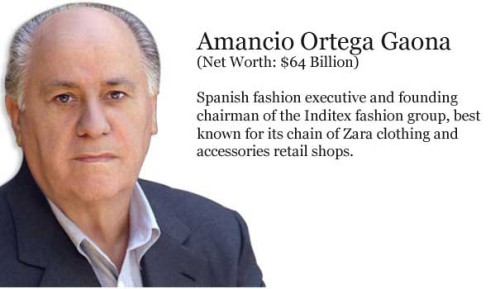
Zara’s story begins in the heart of Spain. Founded by Amancio Ortega and Rosalía Mera, the brand’s Spanish roots have always shaped its identity. The lively culture and creative spirit of Spain played a big role in making Zara what it is today. From a small local store to a global name, Zara’s journey shows the power of passion and innovation in fashion.
Zara grew with the energy of Spanish streets and the love of people who wanted style at a fair price. Its history reflects Spain’s rich culture and fashion sense. The brand’s growth tells a story of hard work, creativity, and the ability to stay ahead in the ever-changing fashion world.
Establishment and Growth
From humble beginnings, Zara quickly became a trendsetter in Spain. The brand’s focus on stylish yet affordable clothing captured people’s attention. Its unique idea of offering new designs every few weeks changed the way people shop for clothes.
Zara’s strategy of fast fashion helped it grow fast. It learned to watch trends and give customers what they wanted—quickly. This smart approach made Zara stand out in the fashion industry. With time, it expanded across the world and became one of the most trusted names in modern fashion.
Inditex Group: The Parent Company
Inditex Overview
Behind the success of Zara stands the Inditex group, a global force in the fashion realm. Understanding Zara’s dynamics requires a closer look at the overarching structure of Inditex. This section provides insights into the vast portfolio of brands within the Inditex umbrella and their collective impact on the global fashion market.
Corporate Structure
Within the intricate tapestry of the Inditex group lies the symbiotic relationship between Zara and its parent company. This section unravels the corporate intricacies, shedding light on how the collaboration between Zara and Inditex has played a pivotal role in the brand’s evolution.
Global Impact and Reach
International Expansion
Zara’s influence extends far beyond the Iberian Peninsula, reaching every corner of the globe. This section explores Zara’s strategic approach to international expansion, examining how the brand has successfully navigated diverse markets and established a ubiquitous presence worldwide.Zara’s expansion strategy involves a keen understanding of local tastes and preferences, coupled with an agile supply chain that ensures swift delivery of the latest trends. By adapting its offerings to various cultures while maintaining its core identity, Zara has become a global fashion phenomenon, celebrated for its ability to transcend borders and resonate with diverse audiences.
Popular Markets
From the bustling streets of New York to the vibrant markets of Tokyo, Zara’s popularity knows no bounds. This section delves into the specific regions and markets where Zara has become a household name, analyzing the brand’s ability to resonate with a diverse array of consumers. Zara’s universal appeal lies in its knack for understanding and adapting to the unique fashion sensibilities of each region, creating a seamless blend of global trends and local style preferences that captivate fashion enthusiasts worldwide.

Common Misconceptions: Zara as a Pakistani Brand
Addressing the Misconception
Despite its Spanish origins, a curious misconception has persisted—Zara as a Pakistani brand. This section aims to dispel this myth, offering clarity on Zara’s true heritage and its distinct Spanish roots within the global fashion landscape.
Factors Contributing to Misconceptions
Unraveling the factors behind this misconception provides valuable insights into how brand identity, marketing strategies, and consumer perceptions can intertwine, creating a narrative that transcends geographical boundaries.
This enriched content at the top of each section should provide a more detailed context and set the stage for the subsequent exploration of Zara’s journey and impact. If you have any further specifications or adjustments you’d like, feel free to let me know!
The Zara Business Model
Fast Fashion Dynamics
Zara’s fast fashion model is a key driver behind its success. The brand has mastered the art of quickly translating runway trends into affordable and accessible pieces for the masses. This section explores how Zara’s commitment to staying on the cutting edge of fashion has allowed it to remain a trendsetter in the industry.
Supply Chain Strategies
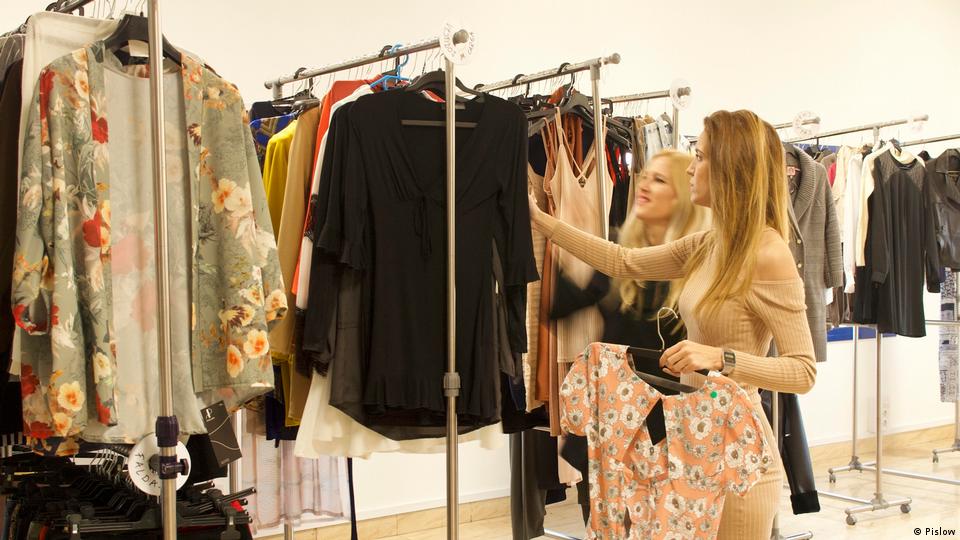
Zara’s supply chain is a well-oiled machine that enables the brand to move with unparalleled speed. From just-in-time production to efficient distribution, Zara’s supply chain strategies are a case study in operational efficiency. Examining these strategies in detail provides insights into how Zara minimizes lead times and maximizes responsiveness to consumer demands.
Sustainability Initiatives
In recent years, there has been an increasing focus on sustainability in the fashion industry. Zara, recognizing this shift, has implemented various sustainability initiatives. This section explores how Zara is navigating the challenges of sustainability while maintaining its commitment to fast fashion.
Marketing Strategies and Innovations
Adaptive Marketing
Zara’s marketing is not just about selling clothes; it’s about selling a lifestyle. The brand’s ability to adapt its marketing strategies to different cultures and demographics has been a crucial element of its global success. This section delves into specific examples of how Zara tailors its marketing efforts to resonate with diverse audiences.
Digital Presence
In the era of e-commerce, Zara has seamlessly integrated its brick-and-mortar success with a robust online presence. This section explores Zara’s digital strategies, from e-commerce platforms to engaging social media campaigns, and how they contribute to the brand’s overall marketing success.
Innovations in Retail
Zara’s commitment to innovation extends beyond its clothing designs. The brand has embraced technology in its retail spaces, from interactive displays to the use of data analytics. Analyzing these retail innovations sheds light on how Zara enhances the shopping experience and maintains a competitive edge.
Zara’s Influence on the Fashion Industry
Fashion Trends
Zara’s influence on fashion trends goes beyond its ability to quickly produce trendy clothing. The brand has a knack for anticipating and shaping consumer tastes. This section explores specific instances where Zara’s designs have had a significant impact on the broader fashion landscape.

Global Cultural Influence
As a global brand, Zara has the unique ability to blend various cultural influences into its designs. This section discusses how Zara’s global perspective contributes to its success and resonates with a diverse customer base.
Competitive Impact
Zara’s success has forced competitors to reassess their strategies. This section analyzes how Zara’s presence in the market has influenced the business models and approaches of other fashion retailers, sparking a wave of innovation and adaptation.
Conclusion
In conclusion, Zara’s journey is not just a story of corporate success but a narrative that has reshaped the fashion landscape. From its Spanish roots to its global influence, Zara stands as a testament to the power of innovation and adaptability in the ever-evolving world of fashion.
I hope this expanded content brings the blog closer to the desired word count. If you have any specific points you’d like to add or modify, or if you’re ready for the concluding remarks, please let me know!
Read More Which Pakistani Clothing Brands Are Cheap? Best Unstitched Women Brand in Pakistan?
FAQ’S
No, Zara is a Spanish brand. It originated in Spain and is part of the Inditex group, a global fashion retail conglomerate.
Zara’s success lies in its fast fashion model, agile supply chain, and global adaptability, allowing it to stay ahead in trendsetting.
Zara has implemented eco-friendly initiatives, using sustainable materials and promoting recycling, showcasing a commitment to reducing its environmental impact.


